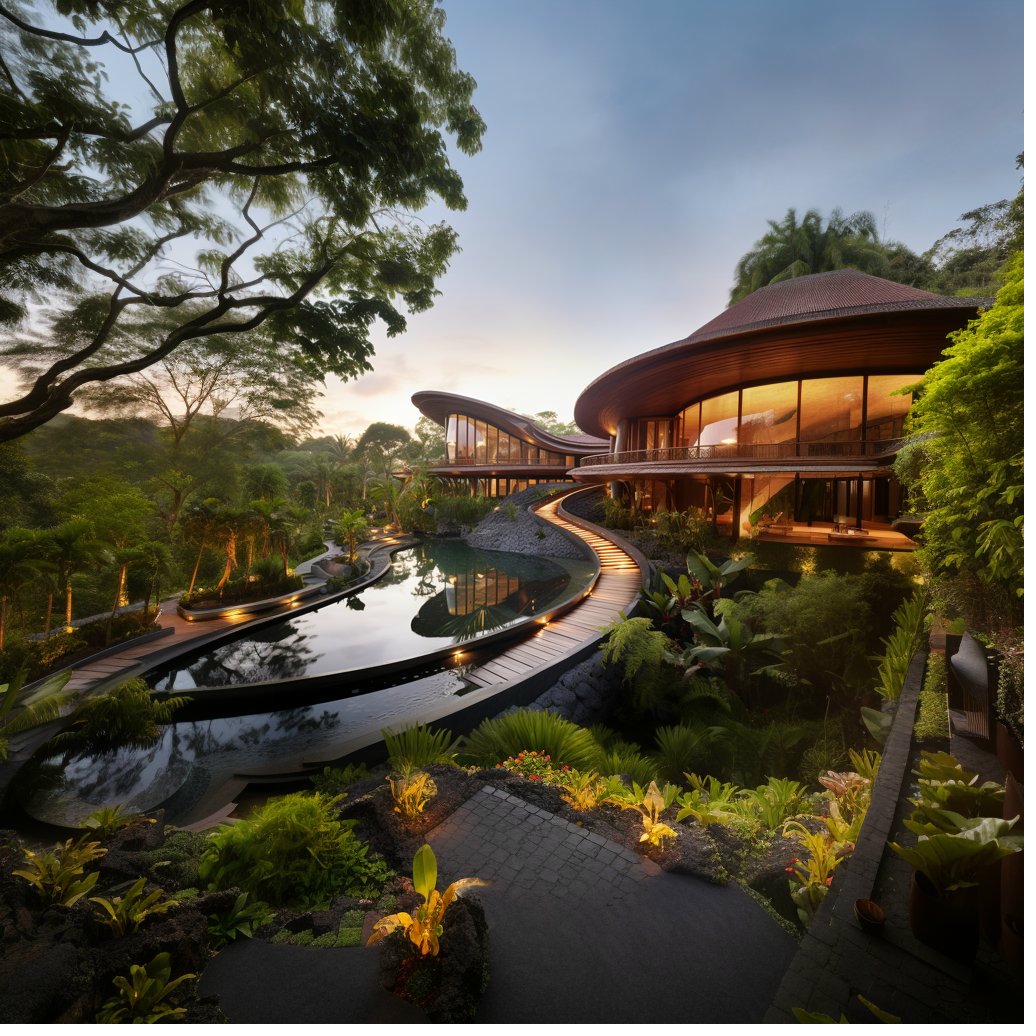
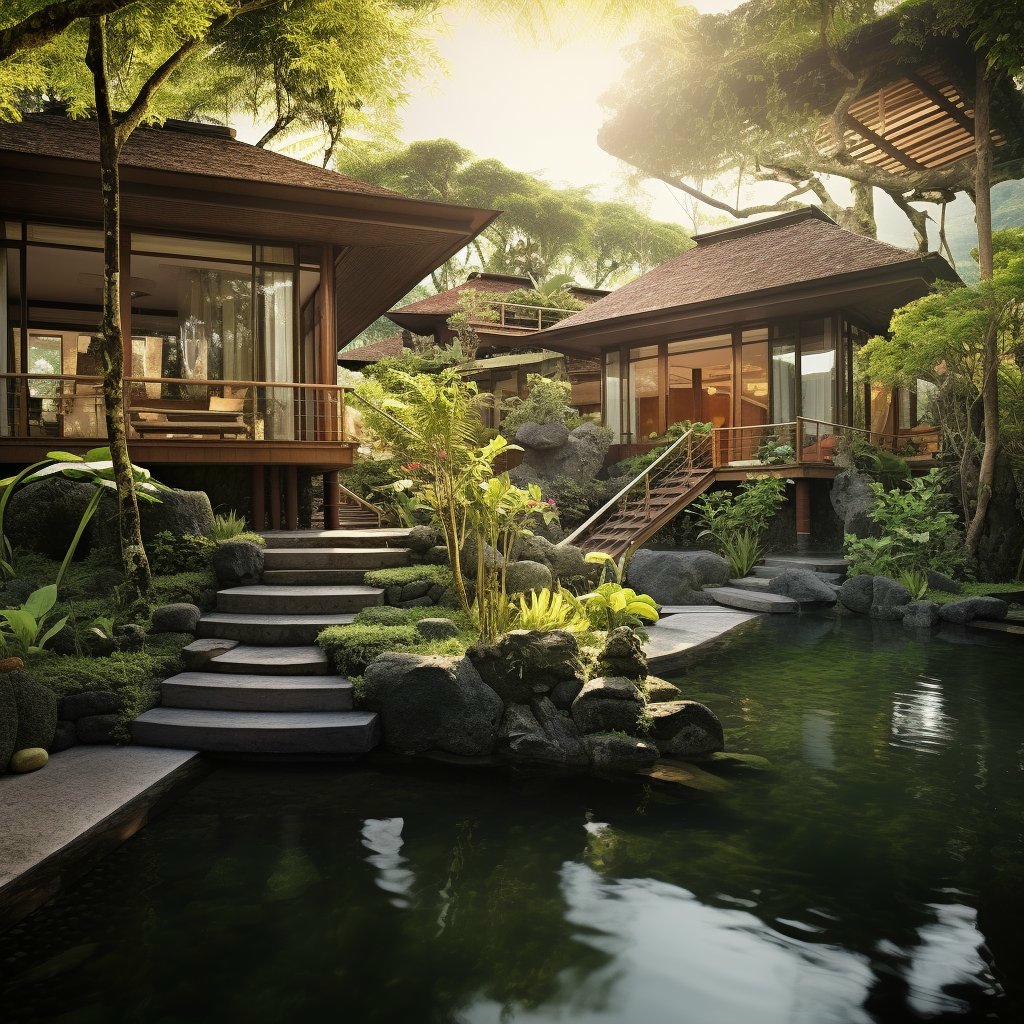
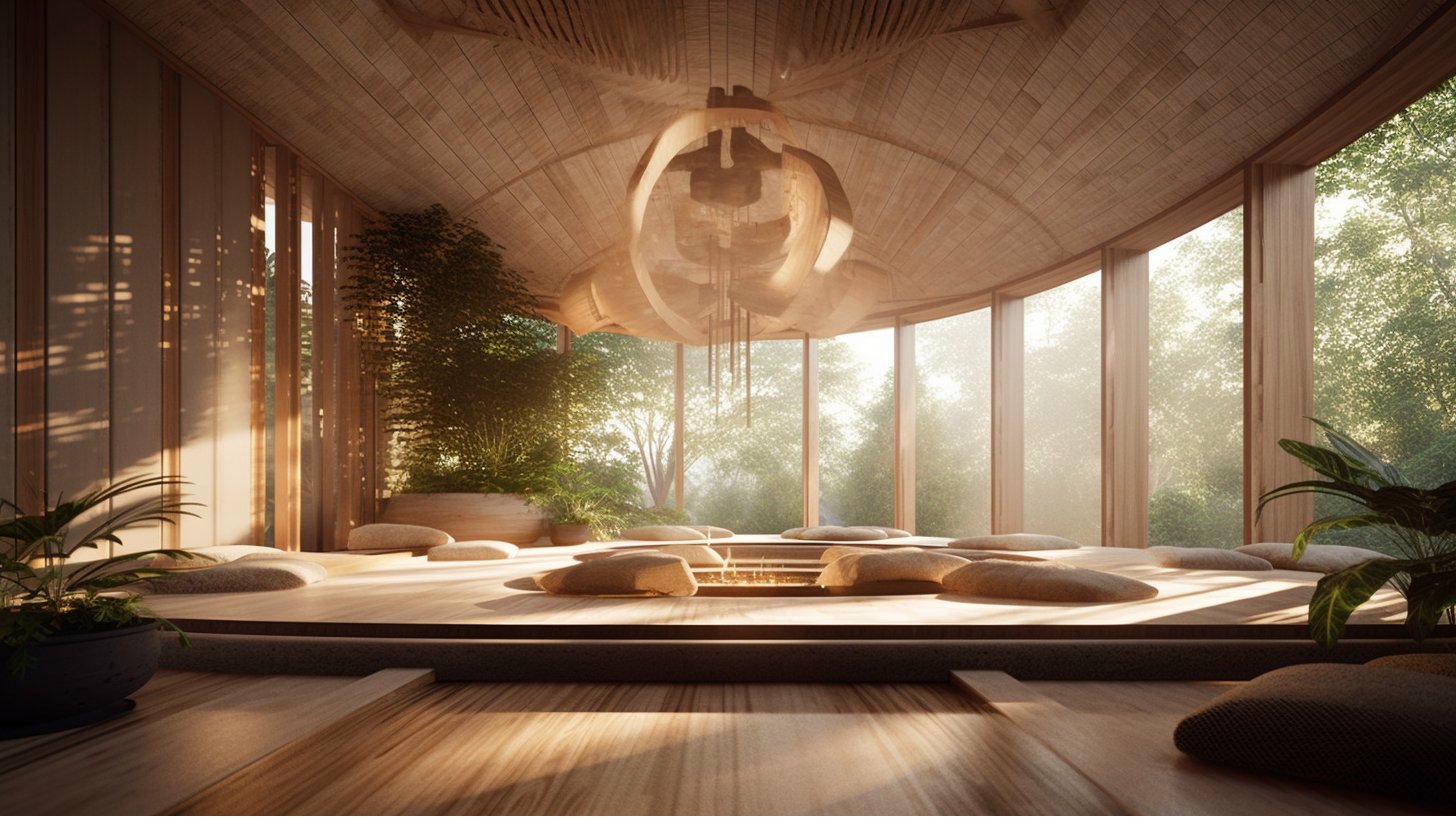
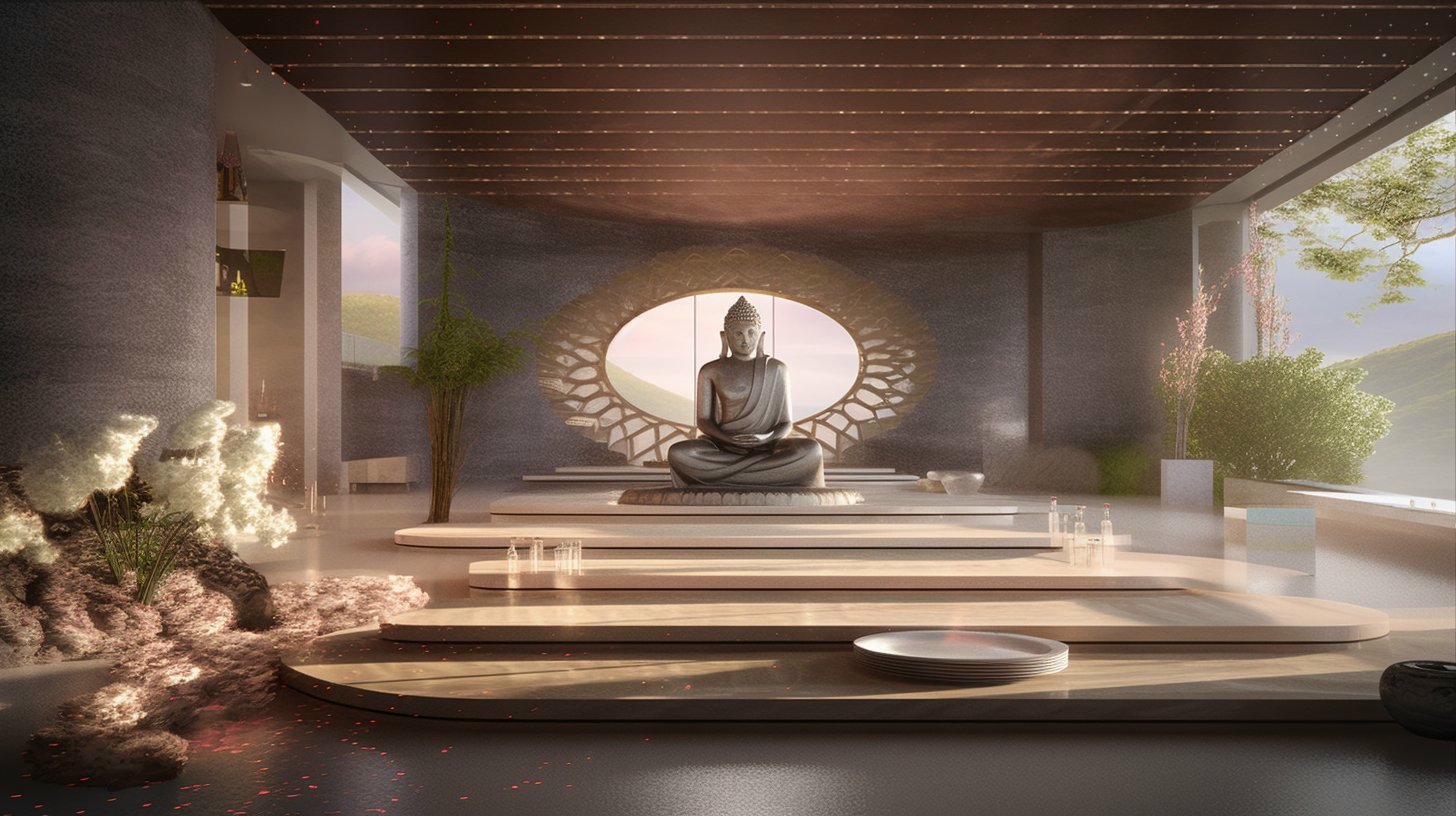
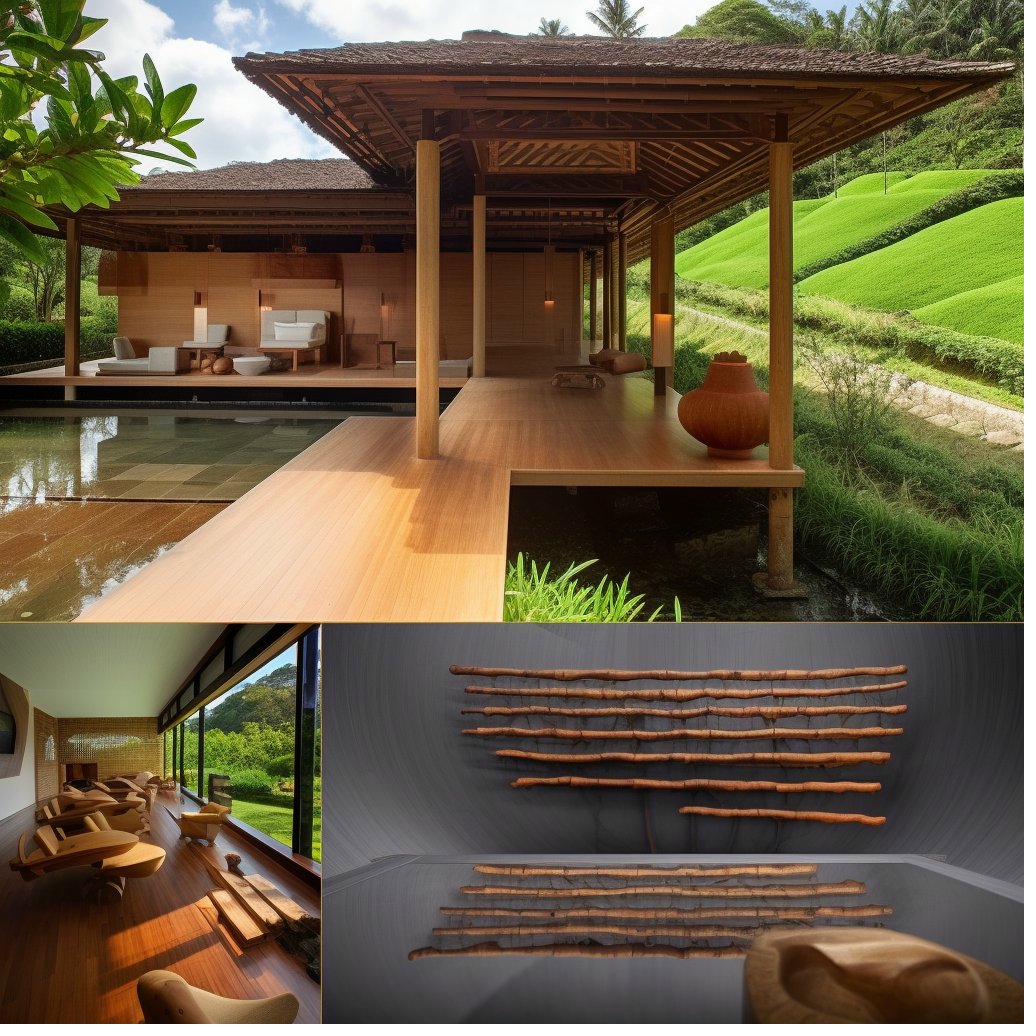
Project Vajra is a regenerative living village redefining the social architecture of how humans inhabit land, build community, and evolve together — anchored in Bali, designed for the world.
"I thought I was building a temple. Ten years on that land revealed the truth — a temple is only as potent as the spirit inhabiting it. What I was really building was a new way for human beings to live."
For five years, Saraswati Temple Arts has organically evolved into a gathering place for artists, musicians, retreat leaders, permaculture communities, and wisdom keepers. Through this process a truth emerged: this is not just a retreat space. It is the seed for a new model of human habitation — five years in the making, ready now to become what it was always pointing toward.
Regeneration
Systems that restore rather than extract — land, water, community, and human potential all regenerate in reciprocal relationship.
Resiliency
Architecture, governance, and community design that adapts, endures, and strengthens through challenge and change.
Reciprocity
Every relationship — human-to-human, human-to-land, culture-to-culture — is designed for mutual flourishing and benefit.
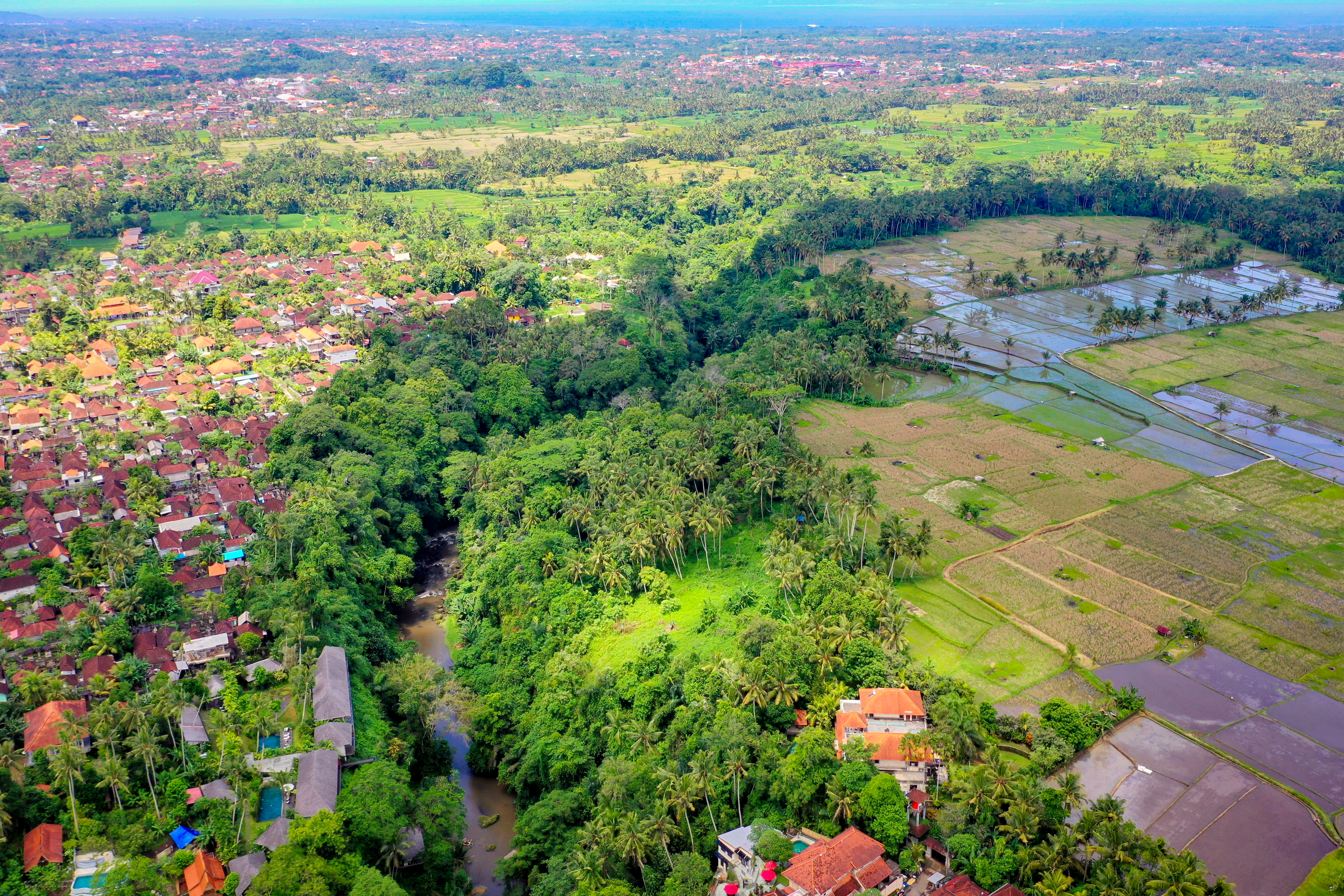
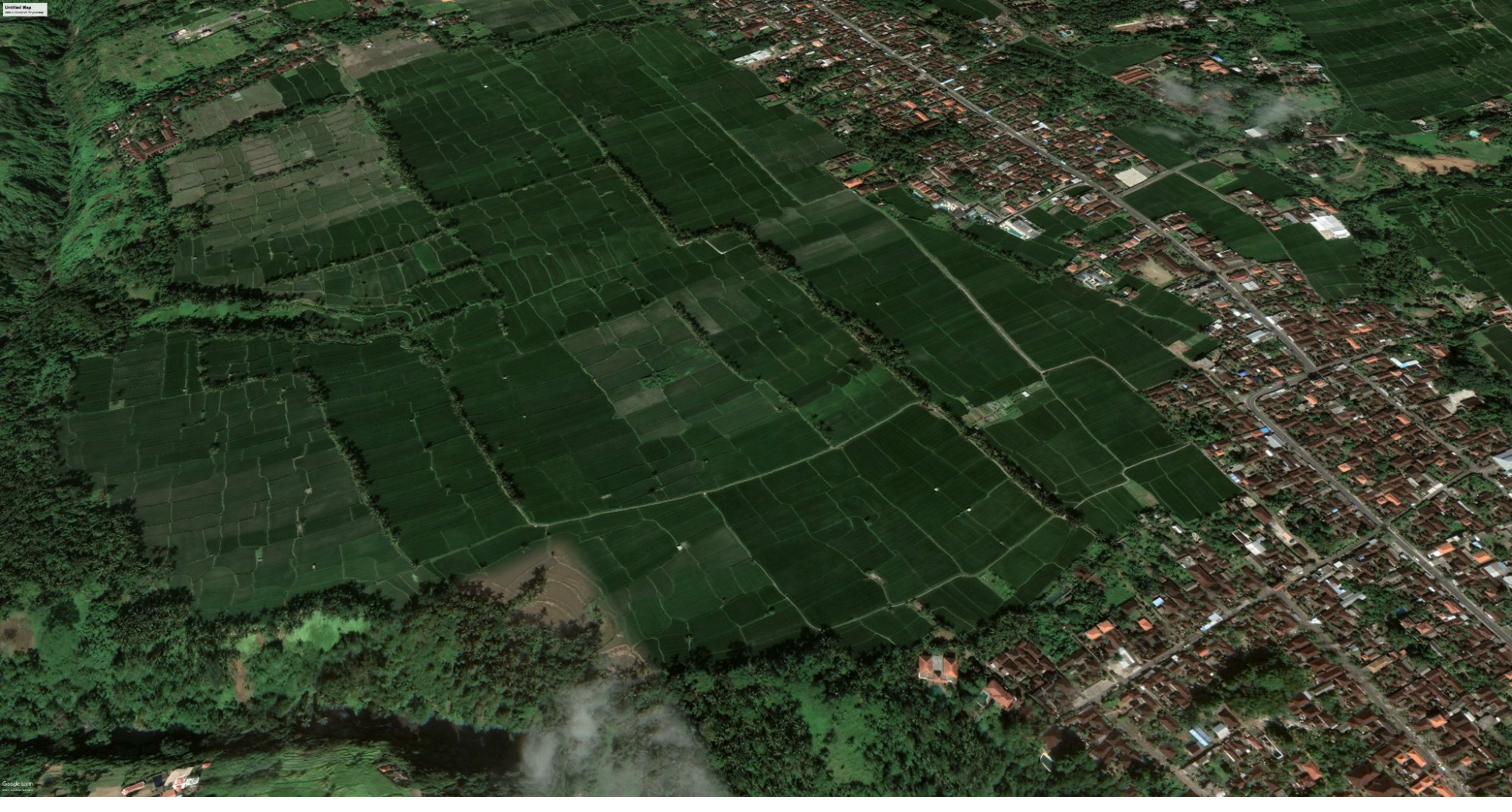
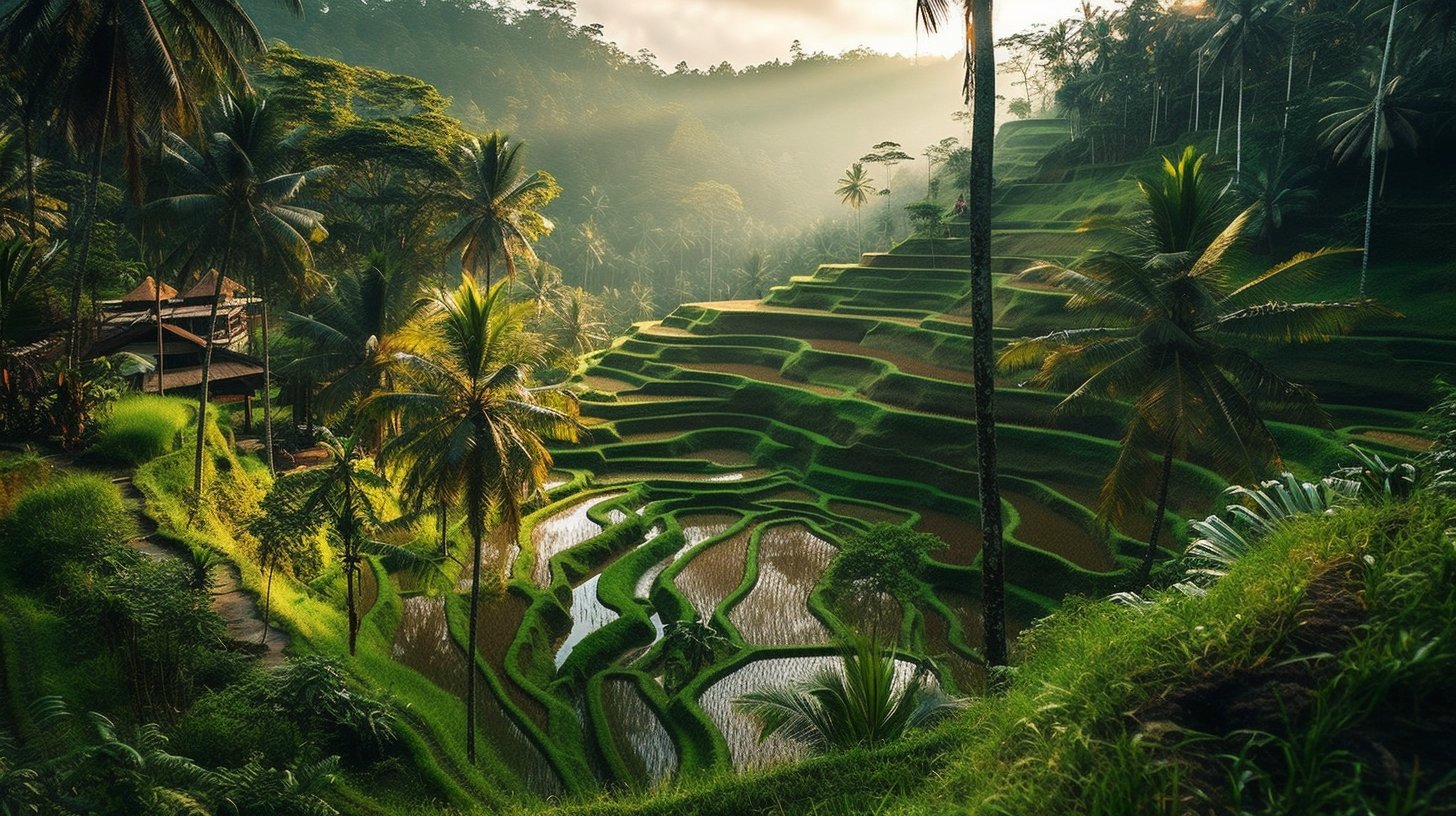
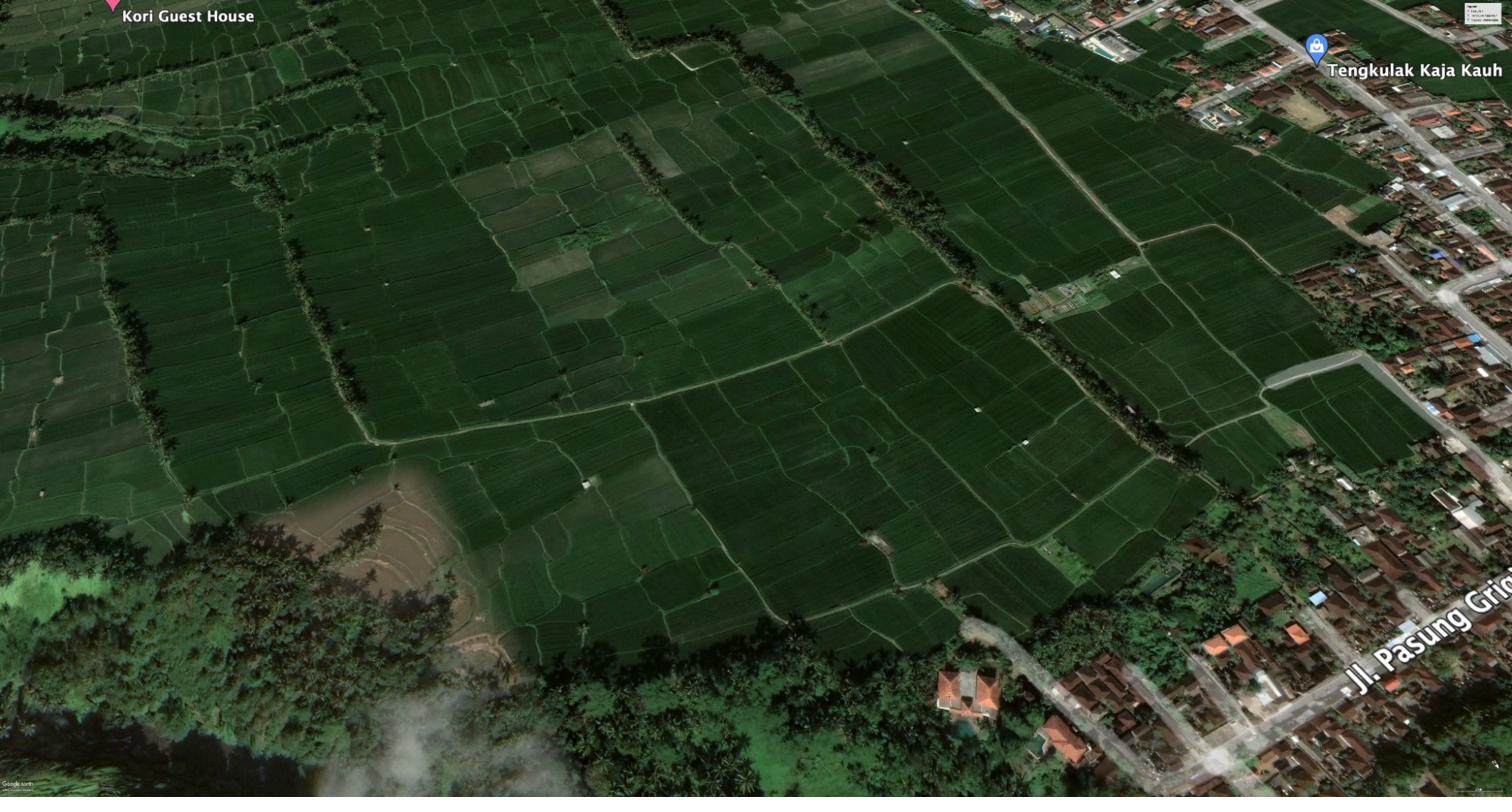
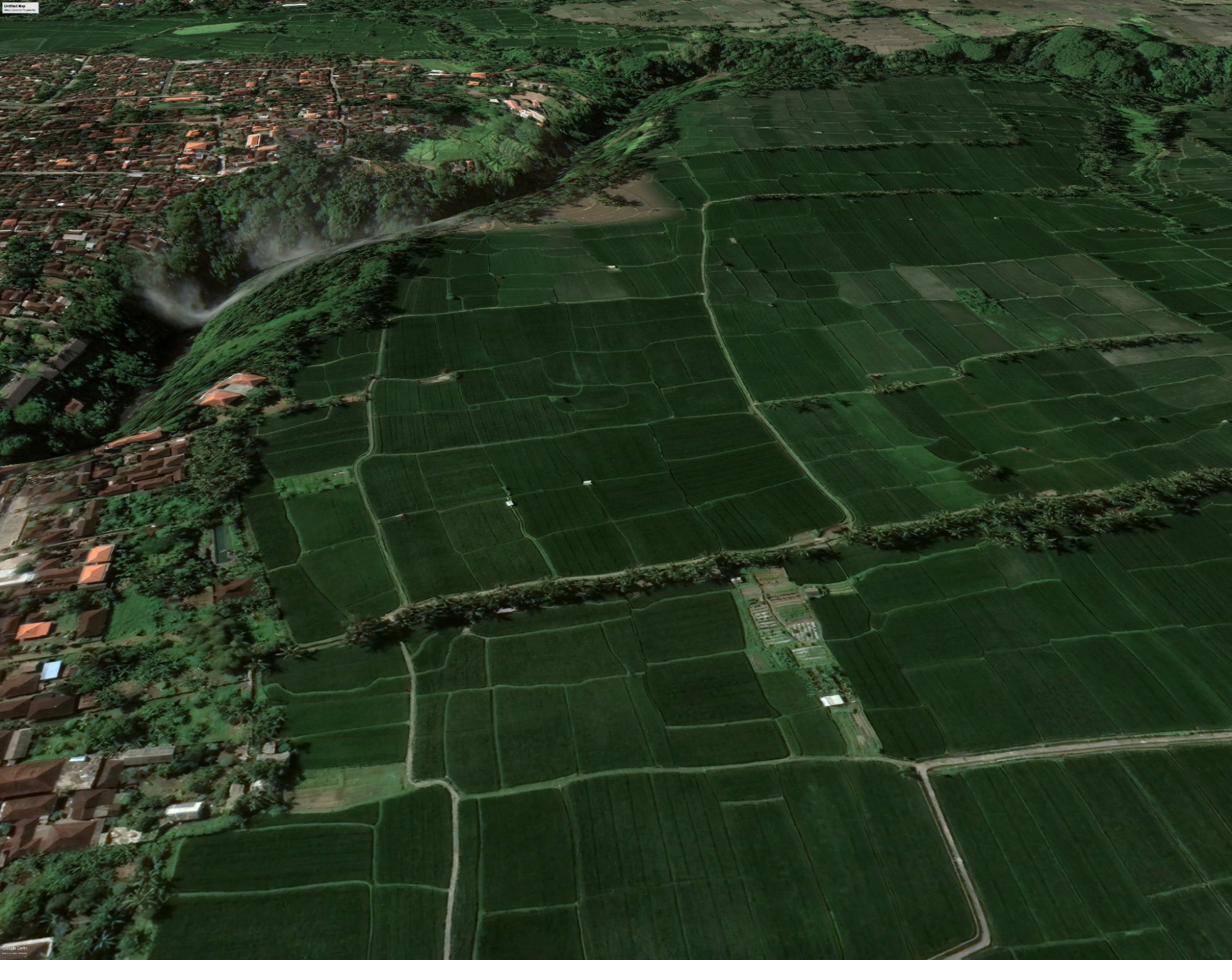
The Petanu River Valley ridgeline in Ubud represents one of the most extraordinary undeveloped land positions in the region. Intact river valley, ecological diversity, sweeping valley views, absolute privacy — and 30 minutes from one of the world's most-visited spiritual destinations.
What it offers in return is irreplaceable. This is not a resort. It is a new way of living in a landscape.
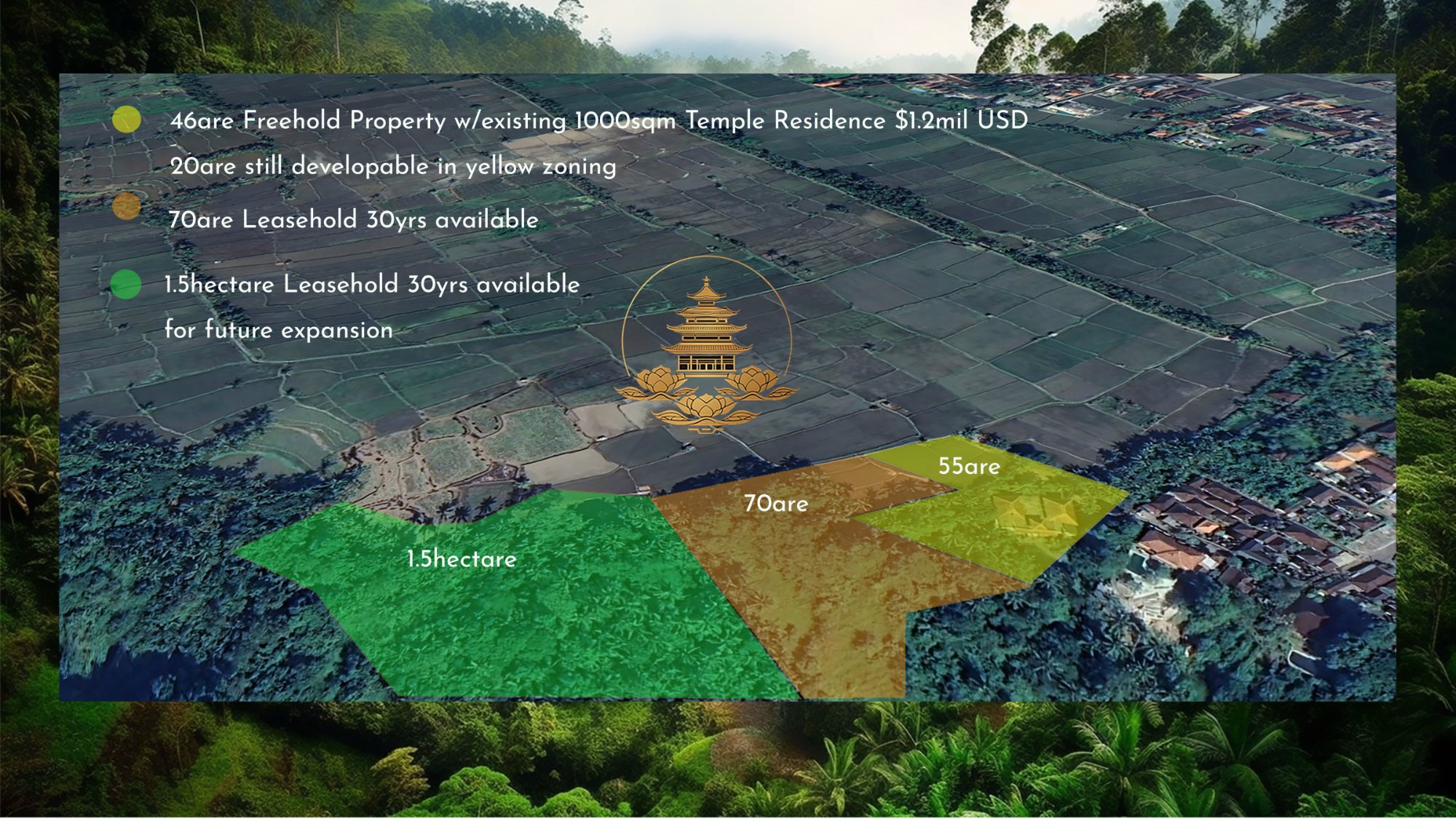
All figures indicative. Saraswati campus is freehold; valley corridor is leasehold 30+30 years. Independent verification required.


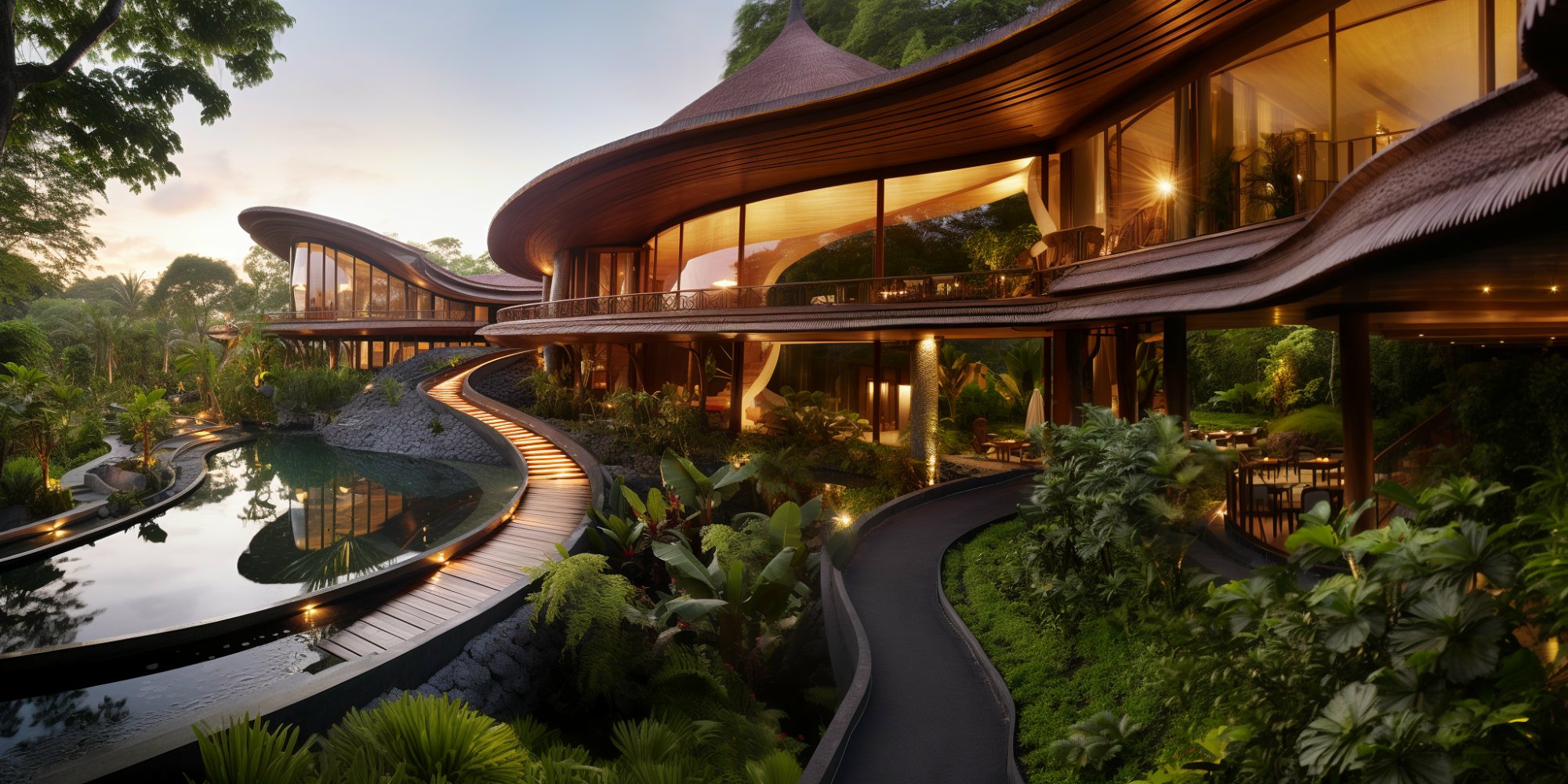
The Vajra Valley masterplan envisions a phased, decades-long build-out of a complete regenerative village ecosystem. Each node serves the whole — economically, ecologically, and culturally.
Development nodes and phasing are indicative and subject to masterplanning, regulatory approval, and capital structuring. All projections are indicative only.
The Saraswati campus renovation and hospitality activation is the immediate priority — converting five years of organic groundwork into a revenue-generating, market-proven platform that validates the broader village vision.
The existing 0.46ha Saraswati campus (freehold) forms the foundation, with two land configurations under active exploration to optimise spatial design and financial viability.
The convergence of timing, land access, cultural momentum, and market conditions creates a rare entry window that will not remain open indefinitely.
Market projections are indicative. All investment decisions should be made on the basis of formal documentation and independent financial advice.
Nine campus nodes globally, anchored at Vajra Bali. A living curriculum spanning gnosis, embodiment, community governance, ecological restoration, and the art of purposeful life. Not a school. A civilisation upgrade.
Whether you are a capital investor, a values-aligned family office, a founder seeking a home, or an organisation looking to embed your programs — Vajra offers a structured pathway designed for your goals.
All investment structures, return projections, and participation terms are indicative only and subject to formal legal documentation, due diligence, and regulatory compliance. This does not constitute a financial offer or prospectus. Seek independent financial and legal advice before making any investment decision.
Vajra OS is the integrated digital platform serving as the project's operating system — the nervous system that connects land, community, economy, and education into one coherent living whole.
Not another app. A genuine governance and community interface designed from first principles for the regenerative village model.
Vajra attracts a specific kind of person: those who have seen enough of the old model to know it isn't working, and have enough vision, courage, and resources to help build what comes next.
Thirteen years ago I arrived in Bali not knowing I was being called to something. It took another eight years before I found myself standing on a ridgeline above the Petanu River Valley — a piece of land that stopped me in a way land rarely does. What looked from the outside like a temple complex became, over the five years since, the most precise teacher I have ever had.
I spent years believing I was building a temple. I sourced the stone, shaped the gardens, held the ceremonies, welcomed the people. And somewhere in the middle of all that building, the place turned around and began building me. That is when I understood something that now anchors everything I create: a temple is only as potent as the spirit inhabiting it. The structure is never the point. The living presence inside it is.
Ten years of tending that land — artists arriving, musicians staying, healers gathering, councils forming — revealed that what I had been cultivating was not a retreat centre. It was the seed of a new social architecture. A proof of concept for how human beings can live when the daily structure of their lives is designed to draw out rather than diminish who they are. Project Vajra is that realisation at the scale it deserves.
Whether you are an investor, a future resident, a hospitality partner, or a campus organiser — your next step is the same: a conversation. Tell us who you are and what you're seeking.
Submitting this form initiates a conversation, not a commitment. All information shared is held in strict confidence. Project Vajra does not make public offerings. All investment and participation structures are subject to formal legal documentation.
A New Relational Operating System for Human Community
Vajra engineers a new social mechanism — one where the physical, educational, economic, and ceremonial dimensions of life reinforce each other in an upward spiral of coherence.